Skip to content
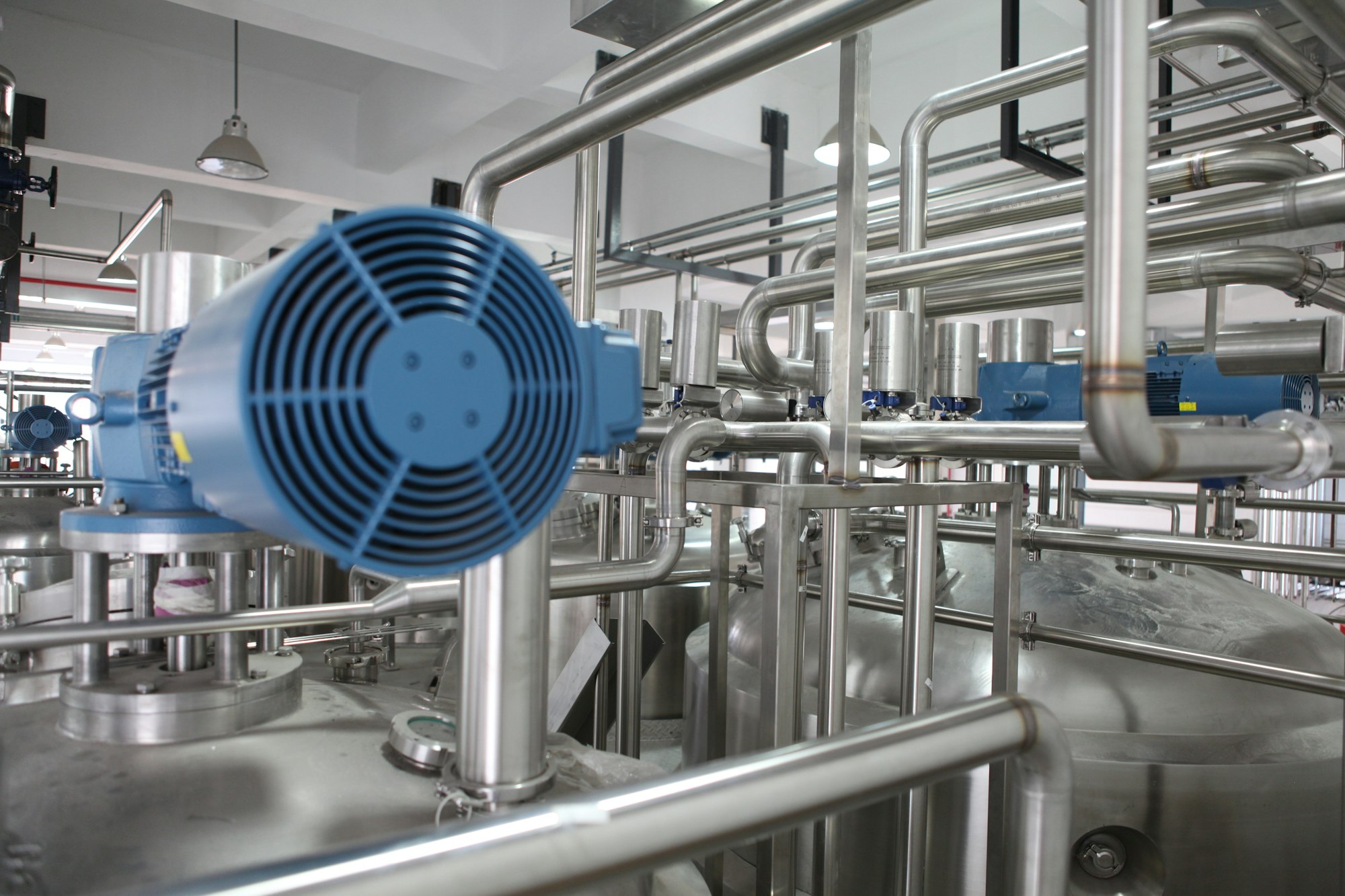
Process plant piping and motors on a factory floor

Product

Plant, clinic, counter, and kitchen.

One commercial kernel — GST invoices, ledger, parties — with industry packs for the plant, clinic, shop, and kitchen. Posted in exact rupees. A pack never invents tax.

Industry desks

Healthcare, retail, and hospitality on the same GST books

Technician assembling a component on a shop floor

Plant

Clinician with a stethoscope using a phone at the desk

Healthcare

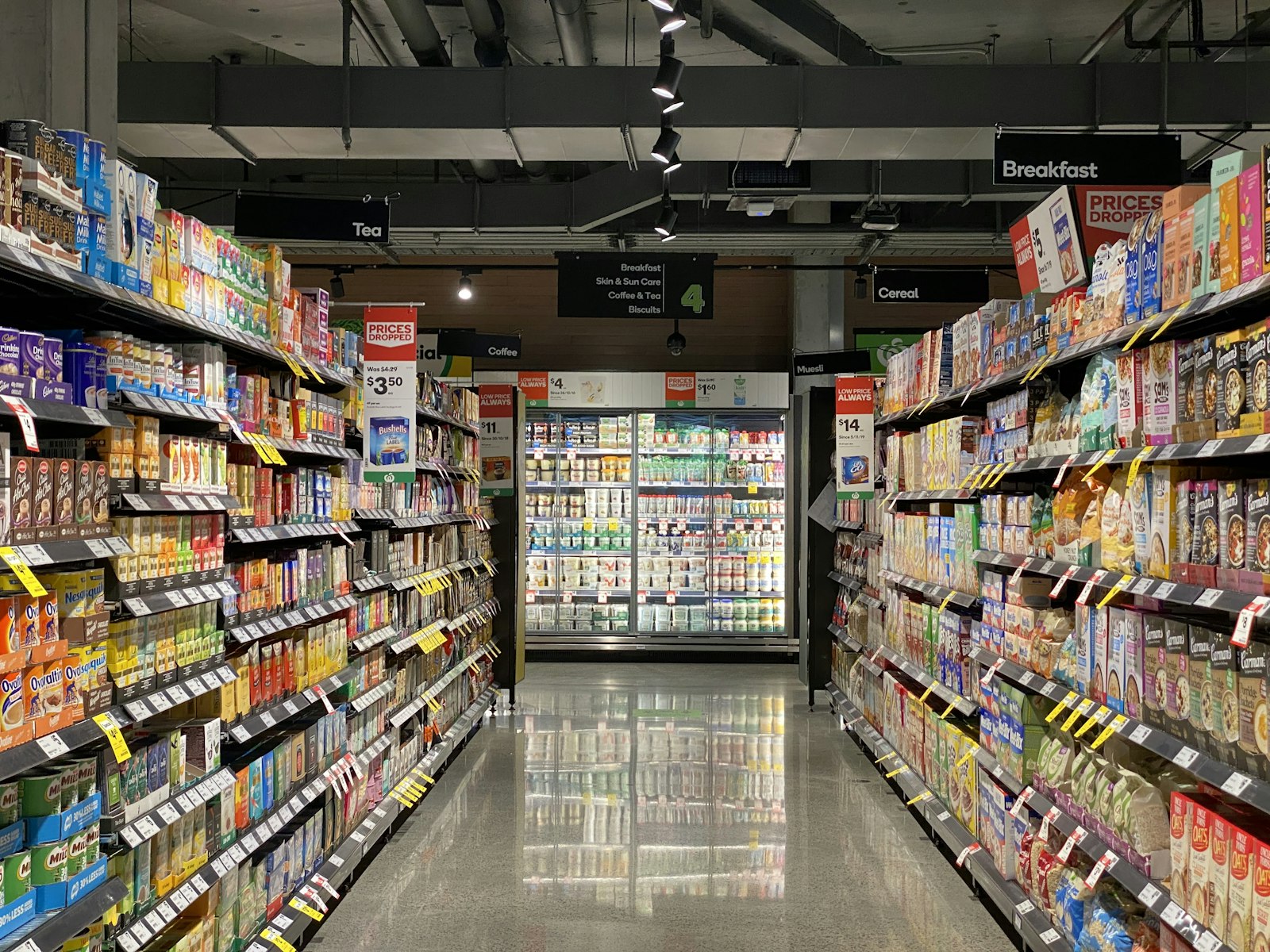
Packed shop aisle with labelled SKUs on both sides

Retail

Plated course served at a restaurant table

Hospitality

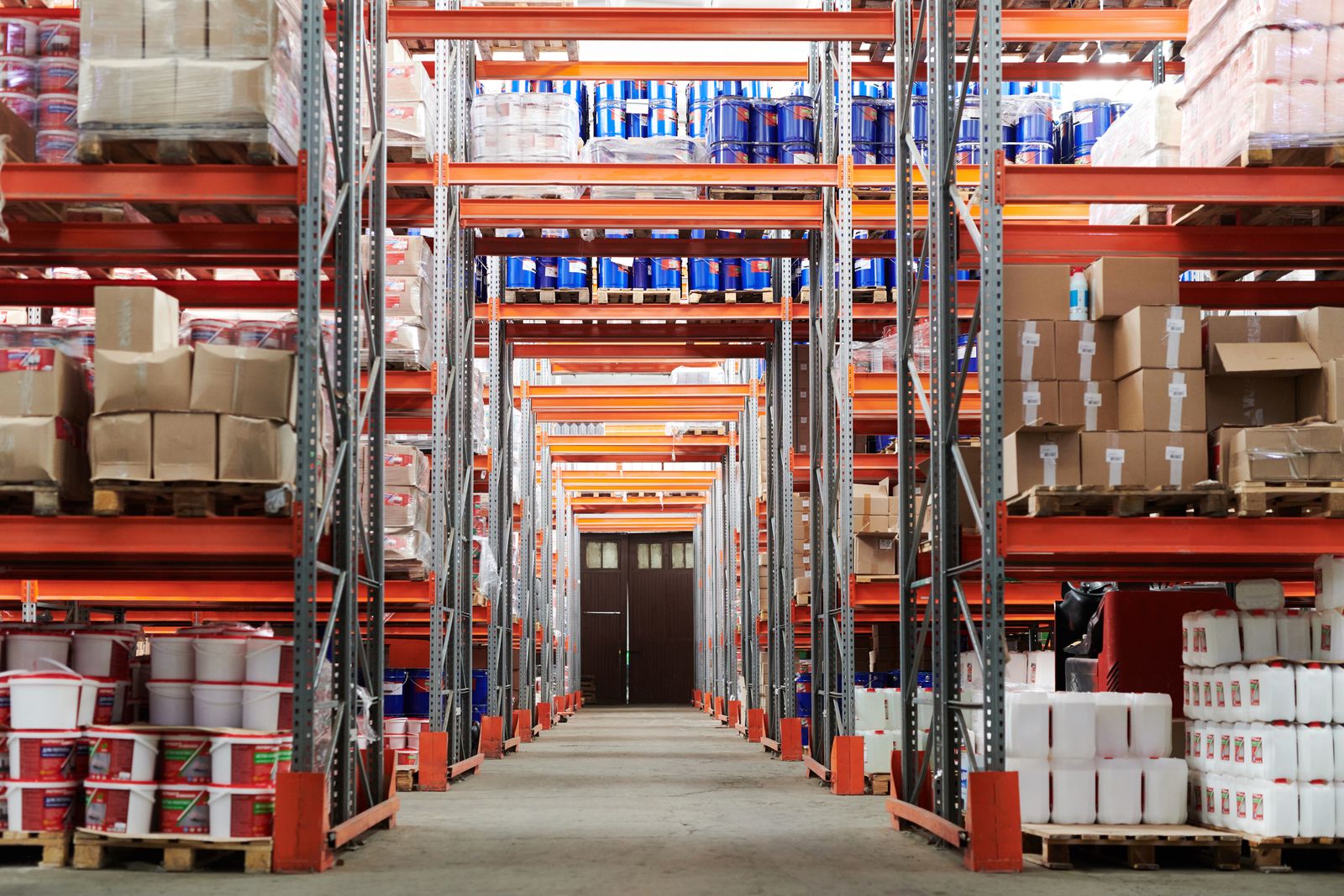
Pallet racking in a warehouse aisle

Materials

Stock that matches the floor

On-hand, moving-average cost, and a hold that cannot ship. The stock ledger is sourced — no orphan quantity.

  • On-hand by facility and storage location, with low-stock against reorder point.
  • Weighted-average cost in exact rupees — never a float.
  • QC-hold, scrap and job-worker locations are not available to dispatch.
  • Every movement ties to a source document.
Technician assembling a mechanical component on the shop floor

Shop floor

Job cards through QC — then stock

Discrete work orders and process batches share the same item and stock. Finished goods reach unrestricted stock only after a pass.

  • Planned order → job card → QC pass → receive finished goods. A second receipt is a no-op.
  • Multi-level BOMs with version and effectivity. Process formulas carry lot and expiry.
  • Incoming IQC: quality-controlled GRN qty sits on hold until pass. Fail stays on hold.
  • NCRs: rework, scrap, return to vendor, or an audited use-as-is override.
Container ships at a port terminal

Outbound

One consignee. Available stock only.

Confirm is the legal step: stock issues, the GST invoice can post, and an e-way bill is required at threshold. If the GSP is down, the shipment stays blocked.

  • Create from order lines. Quantities cannot exceed remaining-to-dispatch or available stock.
  • Confirm posts stock out and can raise the real tax invoice — one per consignee, idempotent.
  • E-way at the legal threshold. The adapter never invents a 12-digit EBN.
  • Route planner stitches confirmed dispatches into a multi-stop run for one vehicle.
Two people reviewing figures on a laptop and notebook

Books

Tax invoices on a balanced journal

HSN, place of supply, CGST/SGST or IGST from the ship-to state. Numbers are gap-free per GSTIN × financial year. The original invoice is never edited.

  • Payments, credit notes and debit notes post as new sourced journals.
  • IRN via the IRP adapter. The default stub never fabricates an IRN. B2C is marked not required.
  • P&L and balance sheet derive from posted journals. If the books do not balance, the report does not pretend they do.
  • GSTR-1 JSON export of posted invoices. Auto-file stays GSP-gated — a government ack is never invented.
Customer paying at a counter terminal

Till

Cash that proves itself

Cash in and out against a running balance, with history and an account ledger that proves debits equal credits.

  • Record cash in or out with party and remarks. Link a receipt to an invoice when collecting in cash.
  • History is the filterable audit trail, including end-of-day count vs system.
  • The cash ledger proves Σdebit = Σcredit over the range, not just the current page.
  • Closing the register is a privileged action — finance and owner.
Handshake over a vendor agreement

Inward & customer

Procure-to-pay, job-work, pay link

Vendor to AP on the same item and stock as sales. Customers pay from a token-scoped portal — no login, no stored card or UPI.

  • Vendor → draft PO → submit → GRN → 3-way match → AP invoice → AP payment. Over-receipt is rejected.
  • Landed cost allocated across GRN lines so paise sum exactly. Quality-controlled receipts go to QC-hold.
  • India job-work challans at nil GST — not tax invoices.
  • Portal token is the only access control. One customer’s invoices. Gateway holds the instrument.

Also in the suite

Same item, same stock, same books

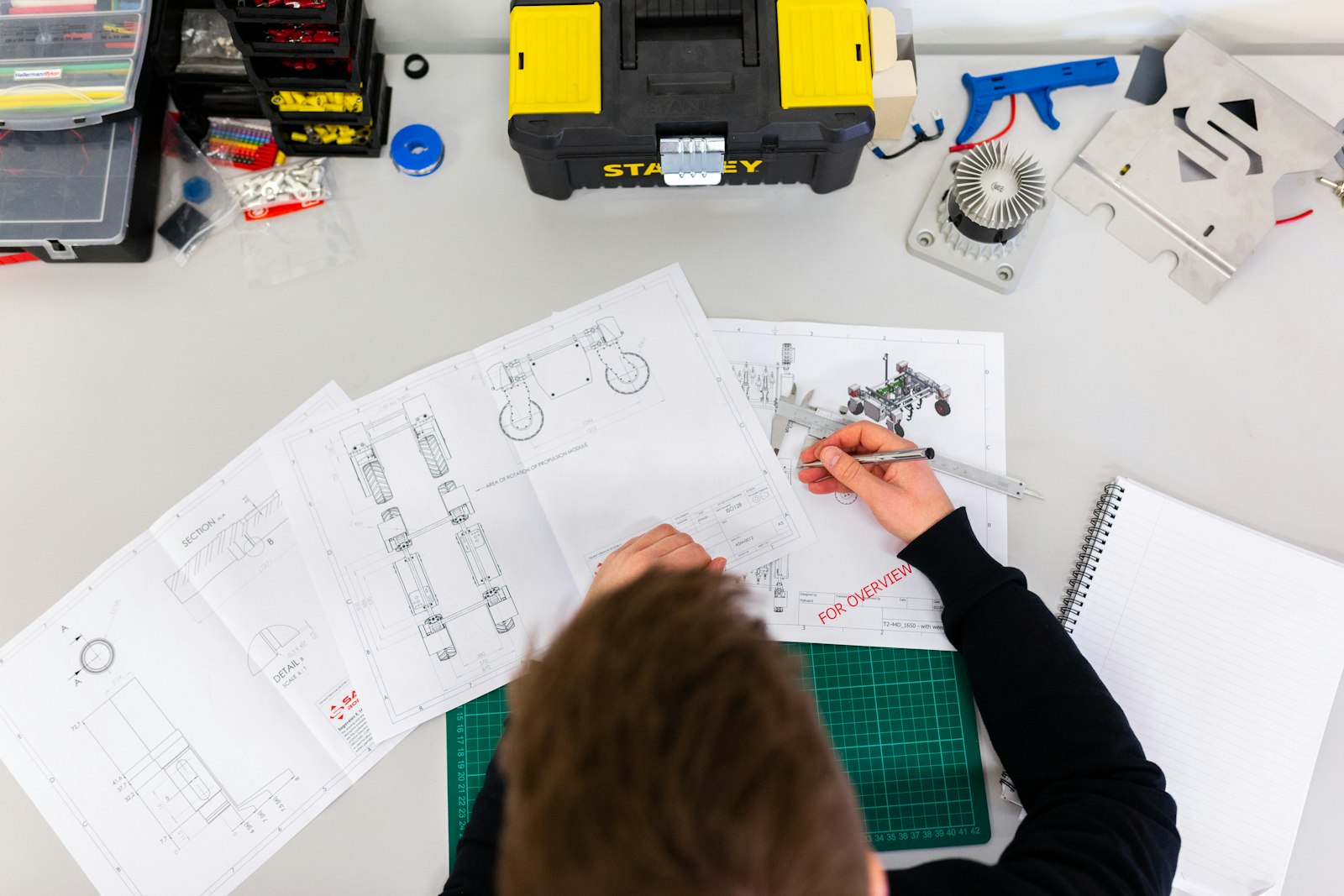
Engineering drawings and components on a workbench

MRP

Gross/net suggestions to purchase, produce or subcontract. A run never creates a PO or work order — you do that from the other screens.

Shop-floor technician in a workshop

Quality

Incoming inspection and NCRs. Use-as-is is an audited finance/owner override, not a silent stock edit.

Pipette filling sample tubes in a process lab

Process batches

Formulas with co-products and by-products. Completing a batch consumes inputs and receipts FG with lot and expiry.

Team working together around laptops

Personas

Owner, finance, sales & ops, driver. Finance never runs production; sales & ops never post the books. The API is the security boundary.

How it works

Confirm, make, ship — each step writes the next document

Full workflows →
  1. Order taken at a counter on a tablet

    01

    Take the order

    Confirm a sales order with real items, HSN and quantities. Quotes do not consume stock or drive MRP until they are confirmed.

  2. Warehouse team moving pallets of boxed goods

    02

    Make and receive

    Run the work order or process batch. QC pass unlocks finished goods. Quality-controlled receipts wait on QC-hold until incoming inspection.

  3. Loading cartons into a delivery van

    03

    Ship and invoice

    Dispatch what is available. Confirm posts stock out and the GST tax invoice. E-way follows the legal threshold — never a fabricated bill number.

Walk the same flows your plant will run

Open the workspace, pick a role, and raise an invoice or receive stock. Help & Guide sits in the app with the exact screens and steps.